
In this article
Does your skin still feel tight, look dull, or feel rough even after moisturizing? You may be dealing with dry skin, dehydrated skin, or a combination of both. Although the terms are often used interchangeably, they do not mean exactly the same thing.
The simplest way to understand the difference is this: dry skin generally produces less oil than it needs, while dehydrated skin is lacking water. Knowing which issue you may be experiencing can help you make more informed choices about your skincare routine.
What Is Dry Skin?
Dry skin is generally a skin type that produces less sebum, the natural oil that helps soften and protect the skin.
When your skin lacks sufficient oil, it may feel rough, tight or flaky.
Common signs of dry skin
Rough or flaky patches.
Persistent tightness, especially after cleansing.
Itching or irritation.
Cracking or peeling when dryness becomes severe.
Dry skin can be influenced by age, harsh cleansers, hot showers, environmental conditions and certain skin conditions or medications.
What Is Dehydrated Skin?
Dehydrated skin lacks water. Unlike dry skin, which is generally a skin type, dehydration can affect any skin type, including oily and combination skin.
This means your skin can look shiny and still feel tight or uncomfortable.
Common signs of dehydrated skin
Tightness or discomfort.
A dull or tired-looking appearance.
Fine lines that appear more noticeable.
Rough texture or occasional flaking.
These signs can overlap with dryness and irritation, so appearance alone cannot reliably tell you which issue you have.
Can You Have Both at the Same Time?
Yes! Dry skin can also become dehydrated. Similarly, oily skin can experience dehydration, so a shiny complexion doesn't automatically mean your skin has enough water.
Pay attention to how your skin feels and responds to your routine rather than relying on a single symptom.
How to Care for Dry Skin
If your skin feels rough, flaky or persistently tight, focus on keeping it comfortable, soft and protected.
Use a gentle cleanser. Choose a cleanser that leaves your face feeling comfortable rather than tight or stripped.
Choose a suitable moisturizer. Ingredients such as glycerin, ceramides and shea butter can help support a moisturizing routine. Richer creams or ointments may suit very dry areas.
Avoid excessive exfoliation. Frequent scrubbing or using too many exfoliating products can worsen irritation and dryness.
Protect your skin. Use a broad-spectrum sunscreen during the day and adjust your routine when weather or indoor conditions make your skin feel drier.
How to Care for Dehydrated Skin
The goal is to support your skin's hydration while helping it retain moisture.
Look for hydration-supporting ingredients. Glycerin and hyaluronic acid are examples of humectants that help attract and hold water in the skin.
Follow with a moisturizer. Hydrating products and moisturizers serve different but complementary purposes. A suitable moisturizer helps reduce moisture loss.
Keep your routine gentle. Avoid repeatedly washing your face or introducing several new active ingredients at once.
Pay attention to your skin. If a product leaves your face persistently tight, stinging or irritated, reconsider its suitability and simplify your routine.
Drinking enough water supports overall health, but drinking extra water alone is not a guaranteed fix for skin dehydration.
Choosing Products for Your Skin
Choosing products that suit your skin is an important part of building a consistent routine.
For dry skin, look for moisturizing products that help soften the skin and reduce moisture loss. Toke Cosmetics Pure Shea Butter may be worth considering as part of a moisturizing routine if it suits your skin. While the Toke Brightening Oil might be considered for the face.
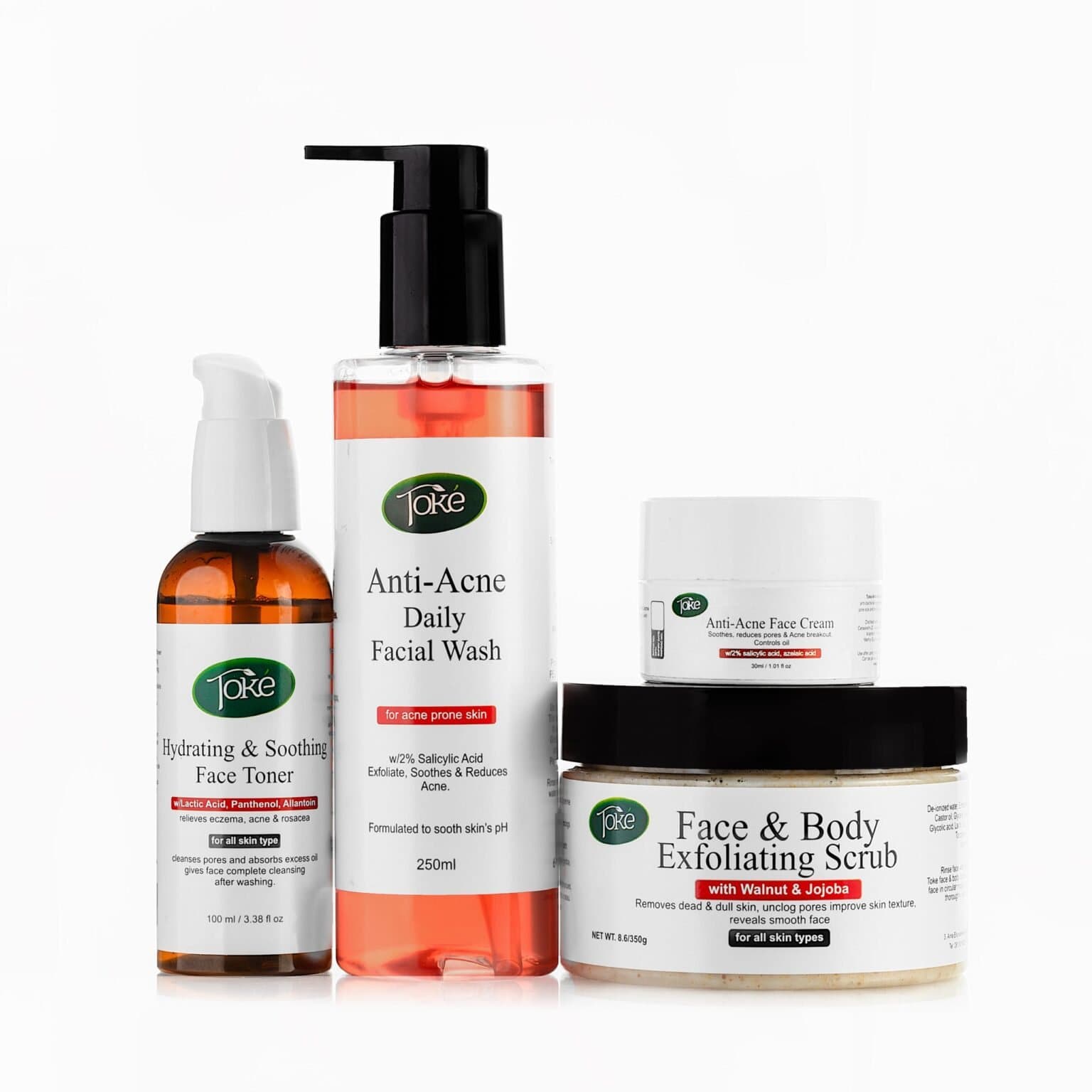
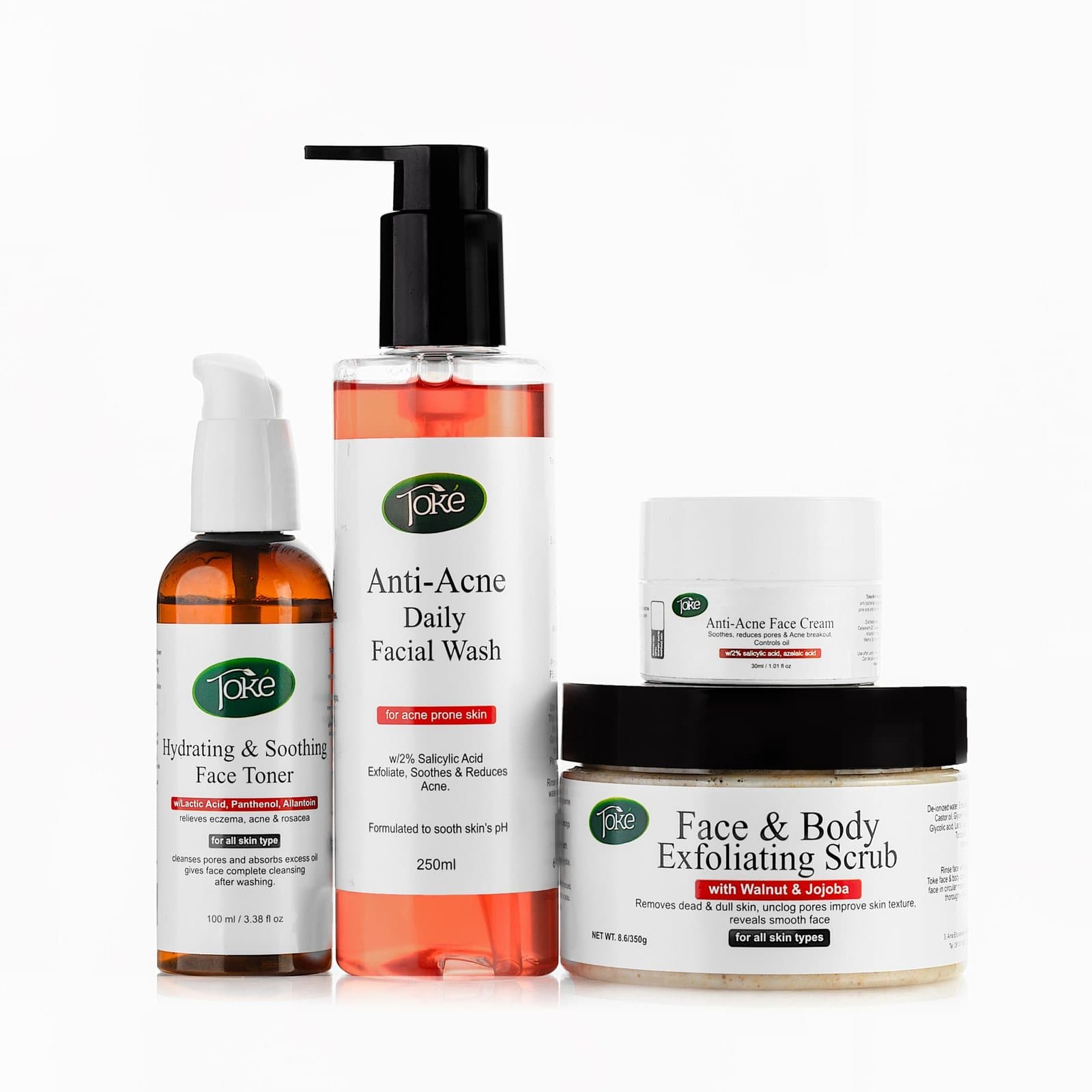
For dehydrated skin, look for hydration-supporting ingredients such as glycerin or hyaluronic acid, followed by a suitable moisturizer. Toke Cosmetics Hydrating & Soothing Face Toner and Toke Hydrate and Glow Lotion may be an option to explore, subject to its current ingredient list and suitability for your skin.
A toner alone is not a complete face moisturizing routine, and neither product should be assumed to address every cause of dryness or dehydration. Check the product details, introduce new products gradually and discontinue use if irritation develops.
When Should You Seek Professional Advice?
Occasional tightness or mild dryness may improve with a gentler routine. However, seek advice from a healthcare professional if your skin is persistently itchy, cracked, inflamed or painful, or if it does not improve with appropriate care.
These symptoms can sometimes be associated with conditions that require more than a change in cosmetic skincare.
The Takeaway
Dry skin lacks sufficient natural oils, while dehydrated skin lacks water. Because the two can occur together, understanding your skin's needs is more useful than simply adding more products to your routine.
Start with gentle cleansing, appropriate hydration and moisturiz
ing, and pay attention to how your skin responds. With a consistent routine and products suited to your needs, you can take a more informed approach to caring for your skin.
For more practical skincare guidance, explore the Toke Cosmetics Journal and discover products that fit your routine.
Related reading: Toke Anti-Acne Daily Facial Wash vs. Toke Hydrating & Brightening Facial Wash: Which One Is Right for Your Skin?
You can also read You're Not Ugly — Your Skin Barrier Is Damaged to learn more about caring for your skin barrier.
- Dry Skin
- Dehydrated Skin
- Skincare Tips
- Skin Hydration
- Facial Skincare