In this article
- Why Does Your Nose Have So Many Blackheads and Whiteheads?
- Blackheads vs Whiteheads: They're Not the Same Thing
- So, What Causes Blackheads and Whiteheads on Your Nose?
- How Can You Care for Blackheads and Whiteheads on Your Nose?
- Can You Use All Three Products Together?
- 3 Things You Should Stop Doing to Your Nose
- Your Nose Doesn't Need to Be Perfect to Have Healthy Skin
Let's be honest. How many times have you stood in front of a mirror, looked closely at your nose and wondered where all those tiny dots and bumps came from?
You wash your face every morning. You cleanse at night. You might even exfoliate regularly. Yet, somehow, your nose still has those little black dots, stubborn bumps or tiny spots that seem impossible to get rid of.
And if you've ever tried squeezing them, you probably know how satisfying it can feel to get something out of a pore. But a few days later? They're back!
So, what's going on?
First, those little dots aren't necessarily dirt. And not every bump on your nose is a blackhead. Some could be whiteheads, while others might simply be sebaceous filaments, which are a completely normal part of your skin.
Before you start scrubbing your nose like it owes you money, let's understand what's actually happening.
Why Does Your Nose Have So Many Blackheads and Whiteheads?
Your nose is part of what's commonly called the T-zone, an area that includes your forehead, nose and chin.
This area tends to have a higher concentration of sebaceous glands, which produce sebum (your skin's natural oil). When excess oil mixes with dead skin cells, it can accumulate inside your pores and contribute to clogged pores.
Depending on how that pore becomes blocked, you may develop blackheads or whiteheads.
But what exactly is the difference?
Blackheads vs Whiteheads: They're Not the Same Thing
Although both are forms of comedonal acne, they don't look quite the same.
Blackheads: Why Are Those Tiny Dots Black? Blackheads, also known as open comedones, develop when excess oil and dead skin cells accumulate inside a pore that remains open at the surface.
The dark appearance isn't caused by dirt. It happens because the material inside the pore is exposed to air and undergoes oxidation, alongside other changes in the pore contents.
You may notice blackheads as:
- Small dark spots, particularly around the nose.
- Pores that look more noticeable or congested.
- Tiny plugs that may feel slightly raised.
- Dots that remain visible even after cleansing.
And no, washing your face harder won't necessarily make them disappear.Whiteheads: What's Behind Those Tiny Bumps? Whiteheads are also known as closed comedones.
Unlike blackheads, the pore opening is covered by a thin layer of skin, trapping oil and dead skin cells underneath.
This gives them that small, white or skin-coloured bump appearance.
You might notice:
- Tiny bumps across your nose or surrounding areas.
- A slightly uneven skin texture.
- Small raised spots that don't have a dark centre.
- Congested-looking skin even when your face is freshly washed.
Whiteheads can be particularly frustrating because they don't always look like what people traditionally associate with acne.Wait! What If They're Not Blackheads at All?
Here's something worth knowing.
Those tiny, evenly spaced dots on your nose might actually be sebaceous filaments.
Sebaceous filaments are natural structures that help move sebum from your sebaceous glands to the surface of your skin.
They're completely normal, and everyone has them.
Unlike blackheads, they tend to look:
- Smaller and more uniform.
- Light grey, yellowish or skin-coloured.
- Evenly distributed across the nose.
- Less noticeable when your skin is freshly cleansed, but visible again later.
The important thing? You don't need to remove them. They're part of how your skin naturally functions.
So, What Causes Blackheads and Whiteheads on Your Nose?
If you're wondering why your nose seems particularly prone to clogged pores, there are a few possible reasons.
Excess oil production: Your skin naturally produces sebum, but increased oil production can contribute to clogged pores.
Dead skin cell build-up: Your skin constantly sheds dead cells. When these cells accumulate with oil inside your pores, they can contribute to blackheads and whiteheads.
Hormonal changes: Hormones can influence sebum production, which is why some people notice more congestion during certain stages of life.
Using unsuitable skincare products: Some products may contribute to clogged pores, especially when they're not suitable for your skin.
Inconsistent skincare habits: Not cleansing properly or failing to remove makeup and sunscreen can leave unwanted build-up on your skin.
But here's the thing, having blackheads doesn't mean you're not taking care of your skin. Sometimes, your skin simply needs a more suitable and consistent routine.
How Can You Care for Blackheads and Whiteheads on Your Nose?
Now that you know what those little dots and bumps are, let's talk about caring for your skin.
The goal isn't to strip your face of every bit of oil or force your pores to look invisible. It's to manage excess build-up, support healthy skin renewal and maintain your skin's moisture balance.
Here are a few things to consider.
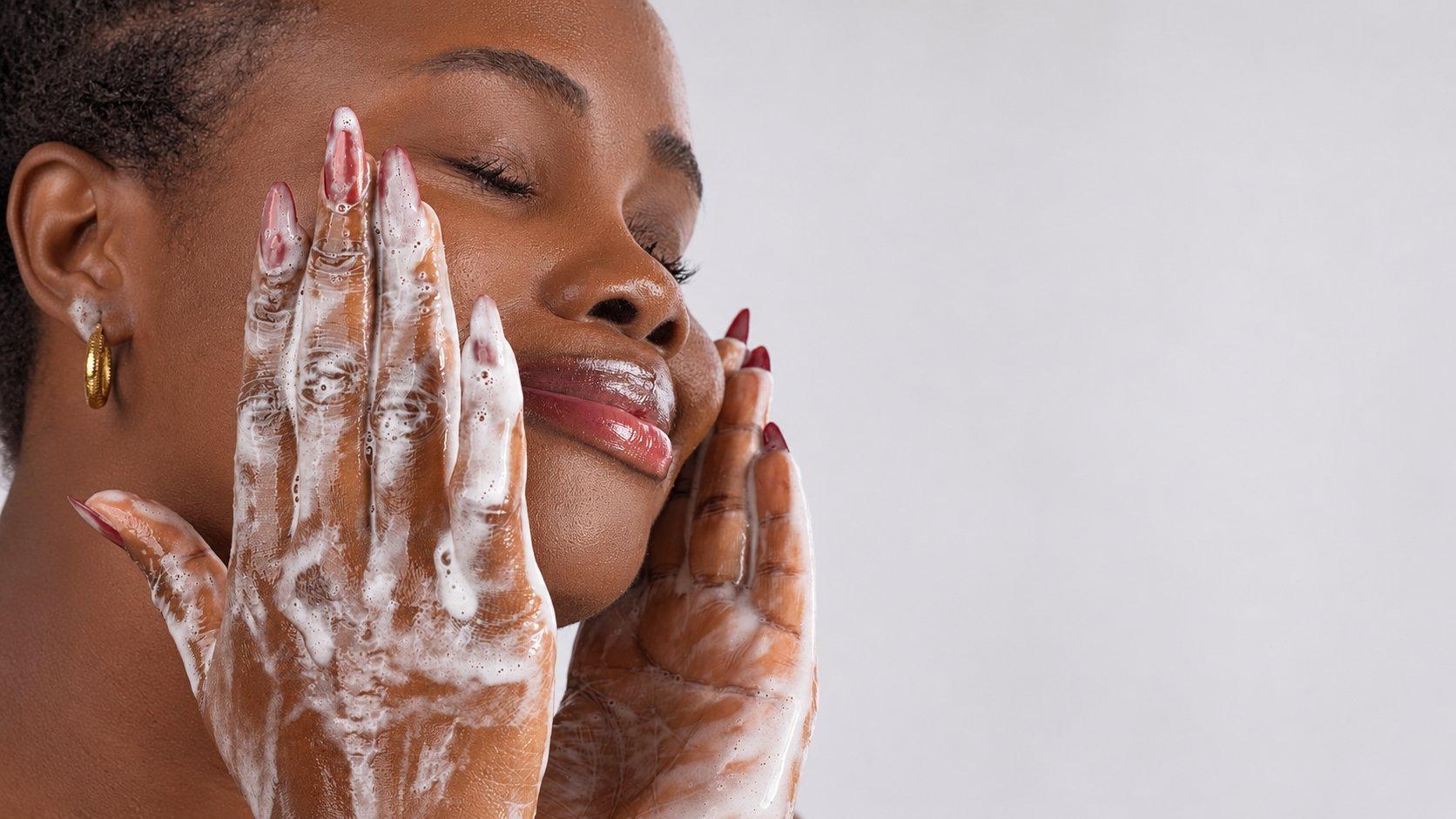
Start With a Good Cleanse: Cleansing is an important first step in managing congested skin.
A suitable facial wash helps remove excess oil, dirt, sweat and everyday impurities that accumulate on your face.
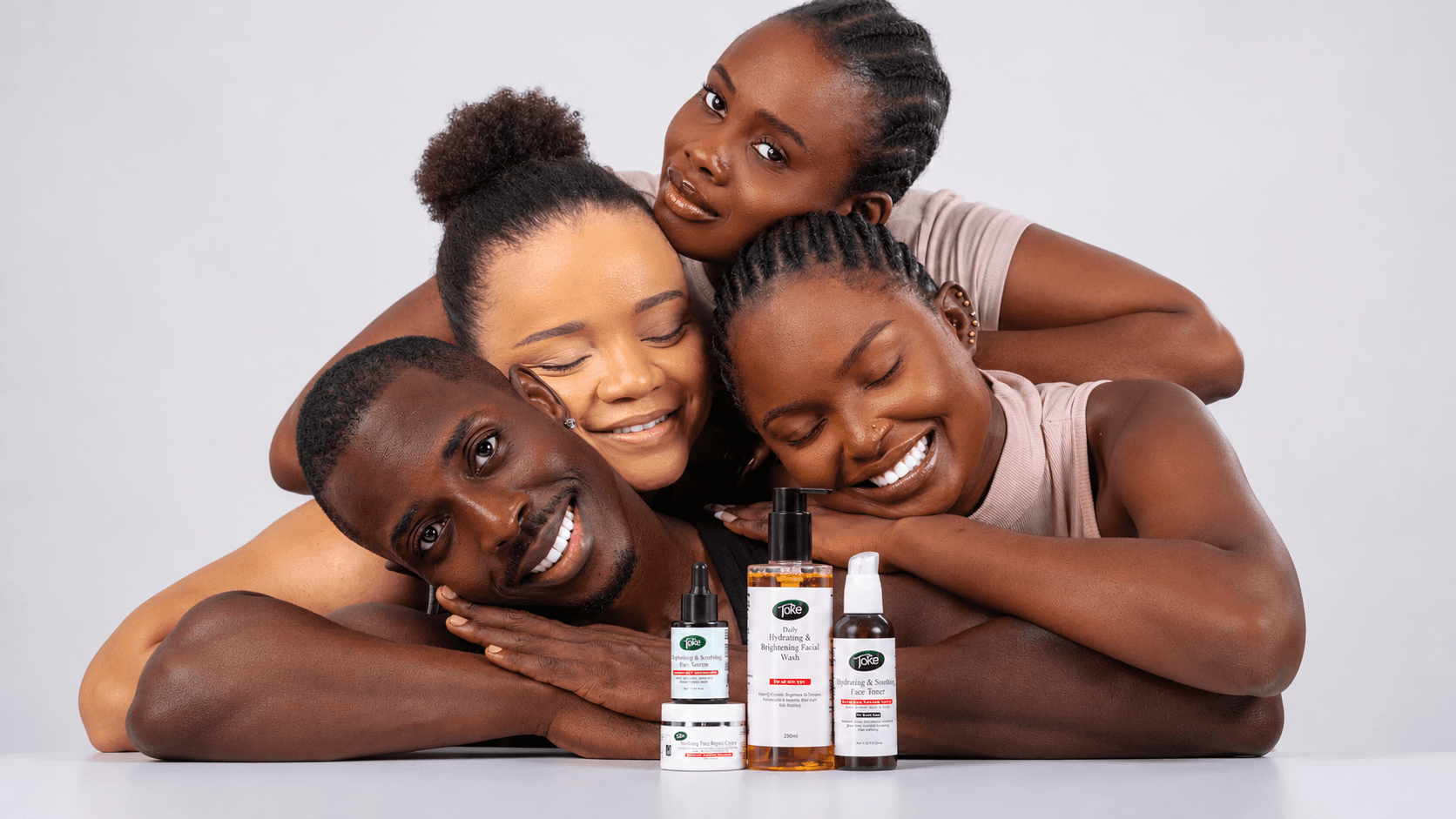
For this, you can explore the Toke Daily Hydrating & Brightening Facial Wash.
Formulated with glycolic acid, glycerin and gentle cleansing agents, it helps remove build-up, mildly exfoliate dead skin cells and improve the appearance of dull, uneven skin texture.
It also helps cleanse without leaving your skin feeling excessively dry or tight.
It's a good option to consider if you're looking for a cleanser that does more than simply wash away surface impurities.
Explore the Toke Daily Hydrating & Brightening Facial Wash.Give Your Pores Some Extra Attention: Sometimes, cleansing alone isn't enough to address the build-up associated with blackheads.
This is where exfoliating ingredients can be helpful.
Salicylic acid, for example, is a beta-hydroxy acid (BHA) that can penetrate into oil-filled pores and help loosen dead skin cell build-up. It is particularly useful for managing blackheads and clogged pores.
The Toke Hydrating & Soothing Face Toner contains salicylic acid, which helps exfoliate, manage excess oil and improve the appearance of congested pores.
Rather than using it excessively, introduce it gradually into your routine. The product guidance recommends starting with 2–3 applications weekly and adjusting according to your skin's tolerance.
Explore the Toke Hydrating & Soothing Face Toner.Don't Forget Exfoliation: Dead skin cells naturally accumulate on the skin's surface. Exfoliation helps remove some of this build-up, leaving your skin feeling smoother.
If you're looking to incorporate an exfoliating product into your routine, the Toke Face & Body Exfoliating Scrub combines lactic acid, glycolic acid and glycerin to help exfoliate, improve skin texture and reveal smoother-looking skin.
It can be an addition to your skincare routine when used appropriately.
However, more exfoliation doesn't automatically mean better results. Avoid aggressive rubbing, particularly around the nose, and don't combine multiple exfoliating products in the same routine.
Explore the Toke Face & Body Exfoliating Scrub.Moisturise, Even If Your Skin Is Oily: This is one step people with oily or acne-prone skin sometimes overlook.
Having oily skin doesn't mean your skin doesn't need moisture.
A suitable moisturiser helps maintain your skin's moisture balance and supports the skin barrier, especially when you're introducing exfoliating ingredients.
Don't skip this step simply because your nose looks shiny.Make Sunscreen Part of Your Routine: If you're using exfoliating ingredients such as glycolic acid or salicylic acid, sun protection becomes particularly important.
Use a broad-spectrum sunscreen during the day and reapply as directed.
It helps protect your skin from UV damage and supports your overall skincare routine.
Can You Use All Three Products Together?
You might be wondering whether you need all three products to manage blackheads and whiteheads.
Not necessarily.
Each product serves a different purpose, but there's something important to consider: both the facial wash and exfoliating scrub contain exfoliating ingredients, while the toner contains salicylic acid.
Using all three in one routine may be too much for your skin, particularly if you're new to exfoliation.
A better approach is to introduce products gradually and avoid layering multiple exfoliating products in the same routine.
For example:
Cleansing: Use your facial wash as directed, paying attention to how your skin responds.
Toning: Introduce the Hydrating & Soothing Face Toner 2–3 times weekly at first, on suitable evenings.
Exfoliating: If you choose to use the Face & Body Exfoliating Scrub, use it occasionally and on a separate routine from your other exfoliating products.
Moisturising: Follow with a suitable moisturiser.
Daytime care: Finish with sunscreen.
If your skin becomes irritated, excessively dry or uncomfortable, reduce exfoliation or stop the products causing the reaction.
Remember, consistency matters more than using every product at once.
3 Things You Should Stop Doing to Your Nose
Before you go back to inspecting your pores in the mirror, here are three habits worth reconsidering.
Stop squeezing every little bump: We know it's tempting, especially when you can see something sitting inside a pore. But repeatedly squeezing your nose can cause irritation, inflammation and even scarring.
Stop scrubbing like you're trying to remove a stain: Your skin doesn't need aggressive scrubbing to become clearer. Too much friction can damage your skin barrier and make existing irritation worse.
Stop expecting overnight results: Blackheads and whiteheads don't develop overnight, so managing them takes time. Give your skincare routine time to work rather than constantly switching products.
Your Nose Doesn't Need to Be Perfect to Have Healthy Skin
Those tiny dots and bumps can be annoying, especially when they seem to return just when you think you've dealt with them.
But understanding what you're looking at is the first step towards caring for your skin properly.
Blackheads, whiteheads and sebaceous filaments may look similar, but they aren't the same thing. And knowing the difference can save you from unnecessary squeezing, excessive exfoliation and products your skin may not even need.
The aim isn't to have pores that disappear. It's to have skin that feels comfortable, balanced and well cared for.
If you're still unsure what your skin needs, explore the Toke Cosmetics skincare range or take our Skin Quiz to help identify products that may be suitable for your skin concerns.
Because better skincare starts with understanding your skin, not fighting it.