In this article
The pimple is gone. Why is the mark still there?
You finally get rid of that stubborn pimple. The swelling goes down, your skin begins to feel normal again, and you think the worst is over. Then you look in the mirror and notice something else, a dark mark sitting right where the pimple used to be.
Sound familiar?
For many people, dealing with acne is only half the battle. Even after the breakouts clear, the marks they leave behind can linger for weeks or months, making it feel as though their skin isn't healing.
But here's something worth knowing, the disappearance of a pimple doesn't always mean the skin has finished healing.
Those lingering marks are often a condition known as Post-Inflammatory Hyperpigmentation (PIH). Understanding why they appear, what makes them last, and how to care for your skin can help you approach them more effectively.
What Actually Happens to Your Skin After a Pimple?
To understand why dark marks remain, we first need to understand what happens when acne develops.
When a pimple forms, the skin experiences inflammation. As your body works to resolve that inflammation and repair the affected area, it can trigger changes in melanin production.
Melanin is the pigment responsible for your skin's natural colour. When inflammation causes the skin to produce excess melanin in a particular area, that area may appear darker than the surrounding skin.
This is how post-inflammatory hyperpigmentation develops.
The pimple may disappear once the inflammation settles, but the excess pigment can remain visible long after the breakout has cleared.
Think of it this way, the pimple was the initial problem, while the dark mark is a visible reminder of the skin's response to it.
And because pigmentation takes time to fade, clearing the breakout doesn't automatically clear the mark.
Why Do Some Acne Marks Take So Long to Fade?
If you've ever wondered why a small pimple can leave a mark that stays for months, you're not alone.
Several factors can influence how long post-acne marks remain visible.
The severity of the breakout: Not all pimples affect the skin in the same way.
A mild breakout may leave little or no visible pigmentation, while a deeper, more inflamed pimple may leave a darker, more persistent mark.
The more significant the inflammation, the greater the potential for lingering discolouration.
Picking or squeezing your pimples: We understand the temptation. A pimple appears, and you want it gone as quickly as possible.
But squeezing, scratching, or picking at a blemish can increase inflammation and damage the surrounding skin. This raises the risk of developing dark marks and, in some cases, permanent scarring.
Instead of helping the skin heal faster, picking at a pimple can leave you dealing with another concern after the breakout has disappeared.
Sun exposure: Sun exposure can make existing dark marks more noticeable by encouraging additional pigmentation.
This is one reason sun protection matters when you're trying to improve uneven skin tone.
Your skincare routine: Harsh products and excessive exfoliation can irritate the skin, potentially making pigmentation worse.
Understanding these factors helps you avoid habits that may prolong the appearance of dark marks while choosing a routine that supports your skin.
What Can Help Fade Dark Marks After Acne?
Now to the question many people really want answered: what can you do about those stubborn marks?
The good news is that many post-acne marks gradually fade with time. Appropriate skincare can also help improve their appearance, although results vary from person to person.
Here are six things worth paying attention to.
1. Treat the acne, not just the marks: Preventing new breakouts is an important part of managing post-acne marks. When acne keeps returning, new marks may continue to appear before older ones have faded.
Choose suitable acne treatments and avoid picking at blemishes.
2. Look for Ingredients That Target Uneven Skin Tone: Certain skincare ingredients can help improve uneven pigmentation.
For example:
Niacinamide: Can support the skin barrier and help improve the appearance of uneven skin tone.
Azelaic acid: Can help manage acne and improve the appearance of post-acne dark marks.
Tranexamic acid: Is used in some skincare formulations to help improve the appearance of hyperpigmentation.
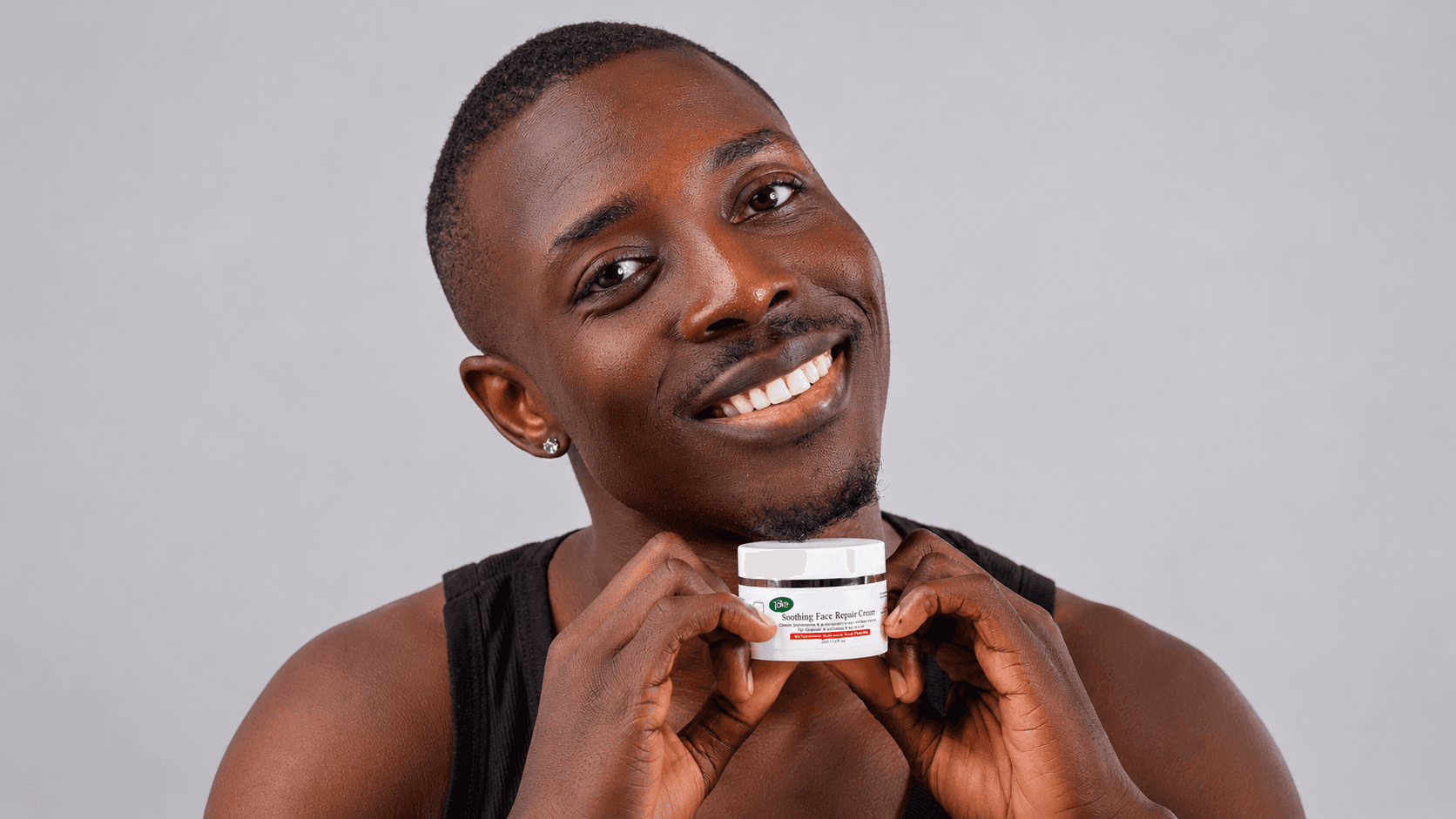
You can explore the Toke Soothing Face Repair Cream, which contains niacinamide and tranexamic acid.
The best option depends on your skin, the cause of the pigmentation, and the product's formulation.
Not sure which products are right for your skin? Take our Skin Quiz to discover recommendations tailored to your skin type and concerns.
3. You don't need to use every ingredient at once: Introducing too many active ingredients, especially when your skin is already irritated, may do more harm than good.
Start with suitable products, introduce new ingredients carefully, and give your routine time to work.
4. Don't skip sunscreen: If you're working towards a more even-looking complexion, sunscreen deserves a place in your routine.
Exposure to ultraviolet radiation can worsen pigmentation, making existing marks darker or more persistent.
Use a broad-spectrum sunscreen with SPF 30 or higher during the day, following the product's directions for application and reapplication.
Remember, sunscreen isn't only for sunny holidays. It's part of protecting your skin during everyday activities, too.
5. Be gentle with your skin: Scrubbing your face harder won't make dark marks disappear faster.
In fact, harsh scrubs, irritating products, and excessive exfoliation can inflame the skin and contribute to further pigmentation.
Keep your routine simple: cleanse gently, moisturise, use suitable treatments, and protect your skin during the day.
If a product consistently causes burning, significant irritation, or worsening discolouration, stop using it and seek professional advice if needed.
Your goal is to support your skin, not put it through more stress.
6. Give your skin time: This may not be the answer you want to hear, but it is an important one.
Dark marks do not disappear overnight.
Some superficial marks may begin to fade within weeks, while others can remain visible for several months or longer. The duration depends on factors such as the depth of the pigmentation, the severity of the original inflammation, and your skin's individual response.
Consistency matters more than constantly switching products in search of a quick fix.
If your marks aren't improving, your acne keeps returning, or you develop raised or indented scars, consider consulting a dermatologist for a treatment plan suited to your skin.
Can You Prevent Dark Marks After Acne?
Although you cannot prevent every post-acne mark, there are steps you can take to reduce the likelihood of developing them.
Start by addressing acne early with appropriate treatment.
Avoid picking or squeezing pimples, protect your skin from the sun, and be careful with products that cause irritation.
It's also worth paying attention to how your skin responds to new skincare products. A product that causes persistent irritation may worsen the very pigmentation you're trying to improve.
And remember, having dark marks after acne doesn't mean your skincare routine has failed. Sometimes, the skin simply needs time and the right care to recover.
Give Your Skin Time to Heal
So, why do dark marks remain after acne?
A pimple may disappear, but the inflammation it leaves behind can trigger excess pigmentation that takes weeks or even months to fade. How quickly this happens depends on your skin and how it responds to the breakout.
The best approach is to manage active breakouts, use skincare ingredients suited to your concerns, protect your skin from the sun, and stay consistent with your routine.
If post-acne marks and uneven skin tone are concerns for you, Toke Cosmetics Soothing Cream contains tranexamic acid and niacinamide, ingredients commonly used in skincare to help improve the appearance of dark spots and uneven skin tone. As with any skincare product, results vary, and fading takes time.
Not sure where to start with your skincare routine? Your skin concerns can help guide your choices. Take the Toke Cosmetics Skin Quiz to better understand your skin and discover products that may suit your needs.
Because caring for your skin starts with understanding it.